Nutritional Support
Alzheimer’s disease (AD) is the most common cause of dementia, among older people (1). People with Down syndrome (DS) develop symptoms of AD in their late 40s or early 50s. Studies show that there may be differences unique to persons with DS. Individuals with DS had a higher prevalence of mood changes, over-activity, auditory hallucinations, disturbed sleep, but less aggression, than the general adult population with AD.
Research and clinical evidence suggest that the incidence of AD for people with Down syndrome (DS) may be the same or greater than the general population. Not all individuals with DS or ID will develop AD and those showing Alzheimer’s-type symptoms may not actually have AD. Other conditions can mimic symptoms, such as drug interactions, and must be considered before a diagnosis of dementia is made (3). It is estimated that of individuals with DS who are over age 35, twenty-five percent or more show clinical signs and symptoms of Alzheimer’s-type dementia. The percentage increases with age. In the general population, AD does not usually develop before age 50, and the highest incidence (in people over age 65) is between five and 10 percent. The incidence of AD in the DS population is estimated to be three to five times greater.
Alzheimer’s disease is a slow and progressive disorder of the brain. Alzheimer’s can affect short term memory loss. A person with Alzheimer’s may not remember what he or she is told. Personality changes may be seen with irritability and volatile behaviors. Personal self care abilities diminished and hygiene is often affected. More assistance and direction is needed for bathing, oral care and toileting. Skills that were learned become disorganized and no longer functional such as self-dressing. More guidance and supervision is needed. Use simple directions, instructions or cues.
Effects of Dementia and AD
Appetite and food desires can be affected by psychological and behavioral factors such as depression, social withdrawal, agitation, wandering, paranoia, confusion, and/or irritability (usually negatively). The individual may not be aware of being hungry, may forget to eat or needs encouragement to eat. They may not be aware that their stomach is full and overeats or wants to eat all the time and may forget what they liked or didn’t like to eat.
A number of these symptoms, traits and/or changes may be the result of a change in the person’s life or their care and treatment. Medications and their side-effects (dry mouth, taste, hunger or anorexia, GI distress, level of alertness) can affect food intake. A food consistency change can alter how foods are perceived or recognized and affect intake. Sores in the mouth, poor-fitting dentures, gum disease or dry mouth may make eating difficult. The individual may need special utensils and dinner ware and/or other table set ups. Problems with constipation, swallowing or dysphasia, and/or congestive obstructive pulmonary disease, to name a few, can limit the desire to eat or eat adequately.
The following outline offers tips to provide nourishment and encourage independence in a safe and effective manner.
Eating Pattern
Food and Eating Concerns
Food and Eating Concerns
Dining Environment and Table Setting
Serving Food and Assistance
Observe for Signs of Chewing and Swallowing Difficulty: Report any changes
Moistening Food Tips
Salivary secretion often reduces with age. The elderly often have a dry mouth which can make it difficulty to chew and swallow foods. Some consumers benefit from moisten foods will have their food served moist with the appropriate liquid/sauce. Use these guidelines when moistening foods.
All food should be served moist or moistened with the appropriate sauce for purees and ground diets unless otherwise specified. Foods can be topped with 1-2 Tablespoons per ½ cup or 3oz. serving. Items may need processing for ground or puree textures.
Suggestions
Meats:
Low fat/calorie: Broth, Dijon mustard, Light mayonnaise, Light Ranch dressing, BBQ sauce, catsup, steak sauce, fruit sauce, chutney
Higher calorie: Gravy, mayonnaise, Ranch dressing, Olive oil with mince garlic or herbs, sour cream, cheese sauce,
Chicken or Turkey:
Low fat/calorie: Broth, Dijon mustard, Light mayonnaise, Light Ranch dressing, BBQ sauce, cranberry sauce, apricot sauce or other fruit sauce. Chutney
Higher calorie: Gravy, mayonnaise, Ranch dressing, Olive oil with mince garlic or herbs, sour cream, cheese sauce, pesto sauce,
Tuna or Fish:
Low fat/calorie: Broth, Dijon mustard, Light mayonnaise, Light Ranch dressing, Light Dill or tarter sauce
Higher calorie: mayonnaise, Ranch dressing, Tarter sauce, Dill Sauce, Lemon Butter/Margarine, Olive oil with minced garlic and lemon or herbs, Hollandaise Sauce, sour cream, cheese sauce, pesto sauce
Eggs:
Low fat/calorie: Light mayonnaise, salsa, catsup, light ranch dressing, cheese sauce
Higher calorie: Hollandaise sauce, mayonnaise, ranch dressing, sour cream, pesto sauce
Breads and Starchy:
Breads
Low fat/calorie: Nonfat milk, Light mayonnaise, Light Ranch dressing, fruit sauce, broth
Higher calorie: Low fat or Whole milk, Cream, Butter or margarine, Jelly, Jam, mayonnaise, maple syrup, chocolate syrup, sour cream, cheese sauce, pesto sauce, Carmel sauce, butterscotch sauce
Pastas:
Low fat/calorie: tomato sauce, broth
Higher calorie: creamy sauce, sour cream, Hollandaise sauce, butter, margarine, olive oil, sour cream, cream cheese, cheese sauce, pesto sauce
Potatoes
Low fat/calorie: catsup, light ranch dressing, light mayonnaise, broth
Higher calorie: butter, cream, margarine, ranch dressing, sour cream, cream cheese, cheese sauce, pesto sauce
Cereals:
Low fat/calorie: nonfat milk, Higher calorie: Low fat or whole milk, cream, butter or margarine, Jelly, Jam, maple syrup, chocolate syrup, sour cream, cream cheese, cheese sauce, Carmel sauce, butterscotch sauce
Fruits: (only if dry)
Low fat/calorie: Light ranch dressing, Light mayonnaise, Light French dressing, Light salad dressing
Higher calorie: Whipped cream, mayonnaise, French dressing, jelly or jam, syrup, chocolate syrup, sour cream, cream cheese, Carmel sauce, butterscotch sauce
Vegetables: (only if dry)
Low fat/calorie: Light ranch dressing, Light mayonnaise, Light French dressing, light salad dressing
Higher calorie: Whipped cream, mayonnaise, French dressing, jelly or jam, Hollandaise sauce, sour cream, cream cheese, cheese sauce, pesto sauce
By
Jacqueline Larson M.S., R.D.N.
It is very important the facility provide meals that are properly implemented and accurately reflect the physician’s orders to ensure the residents nutritional needs and safety. Follow the policy and procedures written to be sure the diets are followed correctly.
Policy Interpretation And Implementation
1: The physician should prescribe each individual with a diet order upon admission. If the physician has not prescribed a diet order upon admission. Nursing will contact the physician for an order before feeding the individual.
2: The written diet order will be prescribed by the physician.
3: The dietitian may make recommendations to modify diet orders.
4: The nursing staff will notify the physician of the dietitian’s recommendation to modify diet orders.
5: The physician may accept or reject the dietitian’s recommendations to modify diet orders.
6: The nursing staff will notify the dietitian of any changes made in the consumer’s orders.
7: The diets prescribed by the physician may be modified to meet a person’s individual diet needs. Diets can be mechanically or therapeutically altered.
8: The Mechanically altered diets are modified in texture and consistency to facilitate consumption.
9: The standard terminology for textured modified diets in this facility are: Regular Cut up, Bite size, Chopped, Minced and Moist (or Ground), and Puree.
10: Therapeutic diets offered are altered for the treatment or prevention of various diseases.
11: The standard terminology for therapeutic modified diets in this facility are: Lowfat, Consistent Carbohydrate, No Added Salt, Renal, and Bland.
12: The physician is not limited to the standard texture and therapeutic modified diet orders.
13: The facility should notify the dietitian, if a diet order is not a standard diet order for instructions and or guidelines.
14: Mechanically and therapeutically altered diets will both be served to provide a nutritious balanced diet.
15: The diet orders prescribed by the physician will be written in the physician’s orders and medication administration record. (MAR)
16: The diet orders written in the physician’s orders and medication administration record will be consistently written. The nurse will monitor the physician’s orders and medication administration record for consistency.
17: The staff will verify the written diet order before serving consumer food.
18: The staff will document in the MAR the proper diet was provided to the consumer by initials in the MAR.
19: The QIDP will maintain a current meal service guide for all consumers. If a consumer is NPO and not eating oral foods the QIDP will note NPO on the daily diet plans. The meal service guide will include : Consumer’s name or ID, prescribed current diet order, and food allergies or intolerances. The meal service guide may also include adaptive equipment needed, food preferences, and treatments.
20: The staff will follow the guidelines written on the meal service guide.
21: The staff will notify the QIDP if the guidelines are unclear and need adjustment.
Introduction
Dysphagia, not to be confused with dysphasia (difficulty in speaking), is difficulty swallowing. Dysphagia is not a disease but a symptom. Individuals with diseases affecting muscle strength or coordination may have swallowing problems. Eating, swallowing, and nutritional problems have a high prevalence among people with learning disabilities, often leading to poor nutritional status, dehydration, aspiration, and asphyxiation. Adults with cerebral palsy and those with severe intellectual and physical disabilities have a high incidence of dysphagia. Although there is limited research on individuals with IDD who have dysphagia, there is evidence that successful management decreases risk.
A person with dysphagia may have an unsafe swallow that allows food or saliva to enter the airway and/or a slow swallow which makes it difficult to take in adequate nutrients. In addition, many persons feel the need to eat quickly which places them at risk for choking due to not chewing properly or placing too much in the mouth at one time. Behavioral and psychiatric issues, as well as medication side effects, can also impact a person’s ability to safely eat. While some people are aware that they have a swallowing problem and can describe it, others are not. The person who is unaware may compensate by choosing foods that can be eaten more easily, by eating slowly, or by changing the position of the head while swallowing. Many individuals with dysphagia do not spontaneously compensate for their swallowing problems.
Signs of Dysphagia
1. Coughing and choking on food and /or liquids
2. Taking along time to eat a meal
3. Hoarseness or a wet gurgly or bubbly voice
4. Heartburn or indigestion
5. Food/liquid coming out through the nose
6. Excessive drooling, associated with eating
7. Frequent respiratory infection/ history of aspiration pneumonia
8. Weight loss and/or dehydration
9. Current medications changes, may cause difficulty
10. Pain during swallowing
11. Increased mucus/phlegm lump in throat
12. Vomiting during meals
13. Vomiting after meals
14. Food being stuck in “pockets” in the mouth (along tongue or in cheek)
15. Multiple swallows on a single mouthful of food
16. Fatigue or shortness of breath while eating
17. Feeling that something is stuck in the throat or went down the “wrong pipe”
18. Spitting up food
The different stages of swallowing and three types of dysphagia are described on the next two pages.
Stages of Swallowing
First stage- Oral Preparatory Phase
Second stage- Oral Phase
information to the cortex and brain stem
Third stage- Pharyngeal Phase
Fourth stage- Esophageal Phase
Types of Dysphagia
Problems can occur at any point in the swallow, but three general types of dysphagia are described below.
Oral dysphagia
Swallowing difficulties may arise in the mouth. A stroke can weaken the tongue and lip muscles, causing drooling and making it difficult to get food from the mouth into the throat. People with oral dysphagia tend to spill food and liquid from the mouth, take a long time to eat, and sometimes give up before eating and drinking enough.
Indicators of potential problems in the oral preparatory and oral phases:
High or low muscle tone, drooling, inability to form bolus, pocketing food, prolonged chewing, and tongue thrust.
Pharyngeal dysphagia
Difficulties may arise after food or liquid passes through the pharynx if the protective swallowing reflex isn’t working properly, allowing the food or liquid to enter the airway. A sensation of food stuck in the throat or pressure in the throat is common with this type of dysphagia. If food or liquid enters the airway often or in large quantities, aspiration pneumonia may develop.
Indicators of potential problems in pharyngeal phase:
Choking or coughing on solids or liquids, wet or gurgly vocal quality, nasal regurgitation, struggling behaviors, delayed swallow, and rumination.
Esophageal dysphagia
Swallowing problems may occur later in the swallow, after the food or liquid passes into the esophagus. Pressure or discomfort in the chest is common with this condition. This frequently happens due to consistent refluxing of stomach acid into the esophagus which over time can cause inflammation and narrowing of the esophagus.
Indicators of potential problems in esophageal phase:
Indigestion/heartburn, sensation of food being lodged in chest, and rumination.
Role of Dietitian, Referral and Consultation with Clinicians
Historically, the role of the dietitian in dysphagia management has been restricted to diet therapy. Screening, assessment, and treatment are typically within the scope of practice of speech-language pathologists (SLPs). However as dietitians are becoming more comprehensive health care providers, those working with populations at risk for dysphagia should be trained in dysphagia screening, identification of risk, and referral to the SLP. Dietitians can be instrumental in the care of these individuals by identifying and referring people with swallowing problems through early screening and determining appropriate diet orders.
The multidisciplinary approach to evaluation and management is the best way to assure an accurate diagnosis. A diagnosis is crucial in structuring an individually tailored treatment plan for each person. The interdisciplinary team may include primary care physician, dietitian, speech-language pathologist or occupational therapist, nurse, and behavioral therapist. Team disciplines will vary depending on the person’s medical history, stage of evaluation or management, their type living environment, and the specialists and resources available in the person’s area. Good communication and collaboration between disciplines is important in helping a person to safely eat.
Mealtime observation in a person’s usual environment is an important part of the assessment process and should include observing staff preparing food and assisting person with diet. The dietitian should observe for signs of dysphagia such as coughing, choking, wet vocal sounds or changes in respiratory patterns. A person who displays any signs of dysphagia should be referred to a swallowing therapist for further evaluation and intervention. The SLP may determine that a modified barium swallow (MBS) study or a video fluoroscopy is needed to further assess the problem and determine the best treatment. The MBS study shows the location of the problem, the physiology of the pharynx, and if and why aspiration is occurring. In contrast, the clinical evaluation of aspiration is unreliable, since as many as 40% of persons who aspirate will not have clinical signs or symptoms that suggest aspiration. During the MBS study the effects of posture, food consistency, and selected therapy techniques can be assessed in terms of their ability to eliminate aspiration and/or improve the efficiency of the swallow.
RDs have varying roles in the management of dysphagia depending on their settings and accessible resources. In rural and remote areas RDs can be the first health care professionals who are consulted when there are signs of swallowing issues, whereas other dietitians are in environments that enable them to work closely with SLPs who often are the clinicians who direct and oversee the management of swallowing problems. Whatever the setting, pursuing more training in the area of dysphagia management can assist RDs in becoming more proficient in this topic and contribute significantly to an individual’s care and quality of life.
To prevent food borne illness it is very important that all staff of the facility or all persons engaged in food preparation and service observe personal hygiene and food services sanitation practice which protect the food from contamination.
Things To Remember:
1. All foods or beverages capable of supporting rapid and progressive growth of microorganisms which can cause food infections or food intoxications shall be stored in covered containers at 40 degrees or less.
2. Personal hygiene will be practiced at all times during food handling. The staff will wash hands with warm water and soap for at least 20 seconds before and after handling food and after using bathroom, changing diapers etc.
3. To prevent food contamination, the staff will wash cutting boards, dishes, utensils and counter tops with hot soapy water after preparing each food items and before you go on to the next food.
4. During Food Handling:
a. Hot food should be held at 140 degrees or warmer
b. Cold food should be held at 40 degrees or colder
c. When serving food at a buffet, keep food hot with chafing dishes, slow cookers and warming trays. Keep cold food cold by nesting dishes in bowls of ice or use small serving trays and replace them often.
d. Perishable food should not be left out for more than 2 hours at room temperature (1 hour when temperature is above 90 degrees)
5. Left overs:
a. Discard any food left out at room temperature for more than 2 hours (1 hour is the temperature was above 90 degrees)
b. Place any leftovers in shallow dishes and follow cooling procedures then store in air tight shallow container in the refrigerator or freezer.
c. Use cooked leftovers within 48 hours or discard.
6. Storage of Left over foods
a. All foods left over are cooled according to food cooling procedures.
b. All foods left over are placed in appropriate containers, which are covered, dated and labeled. The label must include the name of the item and the date prepared. Leftovers should be promptly refrigerated or frozen.
c. Refrigerated leftovers must be used within 2 days.
d. Frozen leftovers must be used within 30 days.
7. Suggestions for leftover usage:
a. Fruits: nourishments
b. Entrees/soups: freeze, if practical, for use at a later date; menu alternate to accommodate consumer preference.
c. Sandwich filling: sandwiches for nourishments
d. Vegetables: Soup; appropriate casserole dishes, menu alternate to accommodate consumer preferences.
8. Food Temperatures:
a. Hot foods should be served hot.
b. Hot foods should not be served too hot to cause a burn.
c. The recommended serving temperature for hot foods is approximately 110 degrees F.
d. Cold foods should be served cold.
9. Holding Temperatures:
a. Hot foods must be held at an internal temperature of 140F or higher.
b. Stir food at regular intervals to distribute heat evenly.
c. Check the temperature of food with a thermometer at least every four hours or every two hours to leave room for corrective action.
d. If temperature drops below 140F discard or if measured after two hours reheat to 165F for 15 seconds within two hours.
e. Cold foods must be held at an internal temperature of 40F or lower.
f. Check the temperature of food with a thermometer at least every four hours or every two hours to leave room for corrective action.
g. If temperature rises above 40F discard or if measured after two hours cool to 40F within two hours.
10. Prevention of Food Cross Contamination:
a. Do not cross contaminate food. Food cross contamination is the passing of bacteria, microorganisms or other harmful substances indirectly or directly to food through improper unsterile equipment, humans, or contact surfaces. Examples of food cross contamination include utensils that touch raw food, are not cleaned and then touch ready to eat foods.
b. Using a designated cutting board for meats only is recommended.
c. Wooden cutting boards should not be used.
d. All cutting boards, equipment and surfaces should be cleaned and sanitized between uses.
e. Keep raw meat, poultry, fish and their juices away from other food.
f. After cutting meats raw meats, wash and sanitized cutting board, utensils and counter tops with hot soapy water and sanitizing spray.
g. Cutting boards, utensils and countertops can be sanitized by using a solution of 1 Tablespoon of unscented, liquid chlorine bleach in 1 gallon of water.
h. Marinate meat and poultry in a covered dish in the refrigerator.
i. Defrost meats in a deep dish on the bottom shelf of the refrigerator.
j. After cooking meats on the grill, meats will be placed on a clean plate.
Nourishing Down Syndrome And Idd Adults With Dementia
Alzheimer’s disease (AD) is the most common cause of dementia, among older people (1). People with Down syndrome (DS) develop symptoms of AD in their late 40s or early 50s. Studies show that there may be differences unique to persons with DS. Individuals with DS had a higher prevalence of mood changes, over-activity, auditory hallucinations, disturbed sleep, but less aggression, than the general adult population with AD.
Research and clinical evidence suggest that the incidence of AD for people with Down syndrome (DS) may be the same or greater than the general population. Not all individuals with DS or ID will develop AD and those showing Alzheimer’s-type symptoms may not actually have AD. Other conditions can mimic symptoms, such as drug interactions, and must be considered before a diagnosis of dementia is made (3). It is estimated that of individuals with DS who are over age 35, twenty-five percent or more show clinical signs and symptoms of Alzheimer’s-type dementia. The percentage increases with age. In the general population, AD does not usually develop before age 50, and the highest incidence (in people over age 65) is between five and 10 percent. The incidence of AD in the DS population is estimated to be three to five times greater.
Alzheimer’s disease is a slow and progressive disorder of the brain. Alzheimer’s can affect short term memory loss. A person with Alzheimer’s may not remember what he or she is told. Personality changes may be seen with irritability and volatile behaviors. Personal self care abilities diminished and hygiene is often affected. More assistance and direction is needed for bathing, oral care and toileting. Skills that were learned become disorganized and no longer functional such as self-dressing. More guidance and supervision is needed. Use simple directions, instructions or cues.
Effects of Dementia and AD
Appetite and food desires can be affected by psychological and behavioral factors such as depression, social withdrawal, agitation, wandering, paranoia, confusion, and/or irritability (usually negatively). The individual may not be aware of being hungry, may forget to eat or needs encouragement to eat. They may not be aware that their stomach is full and overeats or wants to eat all the time and may forget what they liked or didn’t like to eat.
A number of these symptoms, traits and/or changes may be the result of a change in the person’s life or their care and treatment. Medications and their side-effects (dry mouth, taste, hunger or anorexia, GI distress, level of alertness) can affect food intake. A food consistency change can alter how foods are perceived or recognized and affect intake. Sores in the mouth, poor-fitting dentures, gum disease or dry mouth may make eating difficult. The individual may need special utensils and dinner ware and/or other table set ups. Problems with constipation, swallowing or dysphasia, and/or congestive obstructive pulmonary disease, to name a few, can limit the desire to eat or eat adequately.
The following outline offers tips to provide nourishment and encourage independence in a safe and effective manner.
Eating Pattern
Food and Eating Concerns
Food and Eating Concerns
Dining Environment and Table Setting
Serving Food and Assistance
Observe for Signs of Chewing and Swallowing Difficulty: Report any changes
Moistening Food Tips
Salivary secretion often reduces with age. The elderly often have a dry mouth which can make it difficulty to chew and swallow foods. Some consumers benefit from moisten foods will have their food served moist with the appropriate liquid/sauce. Use these guidelines when moistening foods.
All food should be served moist or moistened with the appropriate sauce for purees and ground diets unless otherwise specified. Foods can be topped with 1-2 Tablespoons per ½ cup or 3oz. serving. Items may need processing for ground or puree textures.
Suggestions
Meats:
Low fat/calorie: Broth, Dijon mustard, Light mayonnaise, Light Ranch dressing, BBQ sauce, catsup, steak sauce, fruit sauce, chutney
Higher calorie: Gravy, mayonnaise, Ranch dressing, Olive oil with mince garlic or herbs, sour cream, cheese sauce,
Chicken or Turkey:
Low fat/calorie: Broth, Dijon mustard, Light mayonnaise, Light Ranch dressing, BBQ sauce, cranberry sauce, apricot sauce or other fruit sauce. Chutney
Higher calorie: Gravy, mayonnaise, Ranch dressing, Olive oil with mince garlic or herbs, sour cream, cheese sauce, pesto sauce,
Tuna or Fish:
Low fat/calorie: Broth, Dijon mustard, Light mayonnaise, Light Ranch dressing, Light Dill or tarter sauce
Higher calorie: mayonnaise, Ranch dressing, Tarter sauce, Dill Sauce, Lemon Butter/Margarine, Olive oil with minced garlic and lemon or herbs, Hollandaise Sauce, sour cream, cheese sauce, pesto sauce
Eggs:
Low fat/calorie: Light mayonnaise, salsa, catsup, light ranch dressing, cheese sauce
Higher calorie: Hollandaise sauce, mayonnaise, ranch dressing, sour cream, pesto sauce
Breads and Starchy:
Breads
Low fat/calorie: Nonfat milk, Light mayonnaise, Light Ranch dressing, fruit sauce, broth
Higher calorie: Low fat or Whole milk, Cream, Butter or margarine, Jelly, Jam, mayonnaise, maple syrup, chocolate syrup, sour cream, cheese sauce, pesto sauce, Carmel sauce, butterscotch sauce
Pastas:
Low fat/calorie: tomato sauce, broth
Higher calorie: creamy sauce, sour cream, Hollandaise sauce, butter, margarine, olive oil, sour cream, cream cheese, cheese sauce, pesto sauce
Potatoes
Low fat/calorie: catsup, light ranch dressing, light mayonnaise, broth
Higher calorie: butter, cream, margarine, ranch dressing, sour cream, cream cheese, cheese sauce, pesto sauce
Cereals:
Low fat/calorie: nonfat milk, Higher calorie: Low fat or whole milk, cream, butter or margarine, Jelly, Jam, maple syrup, chocolate syrup, sour cream, cream cheese, cheese sauce, Carmel sauce, butterscotch sauce
Fruits: (only if dry)
Low fat/calorie: Light ranch dressing, Light mayonnaise, Light French dressing, Light salad dressing
Higher calorie: Whipped cream, mayonnaise, French dressing, jelly or jam, syrup, chocolate syrup, sour cream, cream cheese, Carmel sauce, butterscotch sauce
Vegetables: (only if dry)
Low fat/calorie: Light ranch dressing, Light mayonnaise, Light French dressing, light salad dressing
Higher calorie: Whipped cream, mayonnaise, French dressing, jelly or jam, Hollandaise sauce, sour cream, cream cheese, cheese sauce, pesto sauce
By
Jacqueline Larson M.S., R.D.N.
Implementing Diet Orders
It is very important the facility provide meals that are properly implemented and accurately reflect the physician’s orders to ensure the residents nutritional needs and safety. Follow the policy and procedures written to be sure the diets are followed correctly.
Policy Interpretation And Implementation
1: The physician should prescribe each individual with a diet order upon admission. If the physician has not prescribed a diet order upon admission. Nursing will contact the physician for an order before feeding the individual.
2: The written diet order will be prescribed by the physician.
3: The dietitian may make recommendations to modify diet orders.
4: The nursing staff will notify the physician of the dietitian’s recommendation to modify diet orders.
5: The physician may accept or reject the dietitian’s recommendations to modify diet orders.
6: The nursing staff will notify the dietitian of any changes made in the consumer’s orders.
7: The diets prescribed by the physician may be modified to meet a person’s individual diet needs. Diets can be mechanically or therapeutically altered.
8: The Mechanically altered diets are modified in texture and consistency to facilitate consumption.
9: The standard terminology for textured modified diets in this facility are: Regular Cut up, Bite size, Chopped, Minced and Moist (or Ground), and Puree.
10: Therapeutic diets offered are altered for the treatment or prevention of various diseases.
11: The standard terminology for therapeutic modified diets in this facility are: Lowfat, Consistent Carbohydrate, No Added Salt, Renal, and Bland.
12: The physician is not limited to the standard texture and therapeutic modified diet orders.
13: The facility should notify the dietitian, if a diet order is not a standard diet order for instructions and or guidelines.
14: Mechanically and therapeutically altered diets will both be served to provide a nutritious balanced diet.
15: The diet orders prescribed by the physician will be written in the physician’s orders and medication administration record. (MAR)
16: The diet orders written in the physician’s orders and medication administration record will be consistently written. The nurse will monitor the physician’s orders and medication administration record for consistency.
17: The staff will verify the written diet order before serving consumer food.
18: The staff will document in the MAR the proper diet was provided to the consumer by initials in the MAR.
19: The QIDP will maintain a current meal service guide for all consumers. If a consumer is NPO and not eating oral foods the QIDP will note NPO on the daily diet plans. The meal service guide will include : Consumer’s name or ID, prescribed current diet order, and food allergies or intolerances. The meal service guide may also include adaptive equipment needed, food preferences, and treatments.
20: The staff will follow the guidelines written on the meal service guide.
21: The staff will notify the QIDP if the guidelines are unclear and need adjustment.
Dysphagia And Mealtime Issues
It is very important the facility provide meals that are properly implemented and accurately reflect the physician’s orders to ensure the residents nutritional needs and safety. Follow the policy and procedures written to be sure the diets are followed correctly.
Policy Interpretation And Implementation
1: The physician should prescribe each individual with a diet order upon admission. If the physician has not prescribed a diet order upon admission. Nursing will contact the physician for an order before feeding the individual.
2: The written diet order will be prescribed by the physician.
3: The dietitian may make recommendations to modify diet orders.
4: The nursing staff will notify the physician of the dietitian’s recommendation to modify diet orders.
5: The physician may accept or reject the dietitian’s recommendations to modify diet orders.
6: The nursing staff will notify the dietitian of any changes made in the consumer’s orders.
7: The diets prescribed by the physician may be modified to meet a person’s individual diet needs. Diets can be mechanically or therapeutically altered.
8: The Mechanically altered diets are modified in texture and consistency to facilitate consumption.
9: The standard terminology for textured modified diets in this facility are: Regular Cut up, Bite size, Chopped, Minced and Moist (or Ground), and Puree.
10: Therapeutic diets offered are altered for the treatment or prevention of various diseases.
11: The standard terminology for therapeutic modified diets in this facility are: Lowfat, Consistent Carbohydrate, No Added Salt, Renal, and Bland.
12: The physician is not limited to the standard texture and therapeutic modified diet orders.
13: The facility should notify the dietitian, if a diet order is not a standard diet order for instructions and or guidelines.
14: Mechanically and therapeutically altered diets will both be served to provide a nutritious balanced diet.
15: The diet orders prescribed by the physician will be written in the physician’s orders and medication administration record. (MAR)
16: The diet orders written in the physician’s orders and medication administration record will be consistently written. The nurse will monitor the physician’s orders and medication administration record for consistency.
17: The staff will verify the written diet order before serving consumer food.
18: The staff will document in the MAR the proper diet was provided to the consumer by initials in the MAR.
19: The QIDP will maintain a current meal service guide for all consumers. If a consumer is NPO and not eating oral foods the QIDP will note NPO on the daily diet plans. The meal service guide will include : Consumer’s name or ID, prescribed current diet order, and food allergies or intolerances. The meal service guide may also include adaptive equipment needed, food preferences, and treatments.
20: The staff will follow the guidelines written on the meal service guide.
21: The staff will notify the QIDP if the guidelines are unclear and need adjustment.
Food Handling
It is very important the facility provide meals that are properly implemented and accurately reflect the physician’s orders to ensure the residents nutritional needs and safety. Follow the policy and procedures written to be sure the diets are followed correctly.
Policy Interpretation And Implementation
1: The physician should prescribe each individual with a diet order upon admission. If the physician has not prescribed a diet order upon admission. Nursing will contact the physician for an order before feeding the individual.
2: The written diet order will be prescribed by the physician.
3: The dietitian may make recommendations to modify diet orders.
4: The nursing staff will notify the physician of the dietitian’s recommendation to modify diet orders.
5: The physician may accept or reject the dietitian’s recommendations to modify diet orders.
6: The nursing staff will notify the dietitian of any changes made in the consumer’s orders.
7: The diets prescribed by the physician may be modified to meet a person’s individual diet needs. Diets can be mechanically or therapeutically altered.
8: The Mechanically altered diets are modified in texture and consistency to facilitate consumption.
9: The standard terminology for textured modified diets in this facility are: Regular Cut up, Bite size, Chopped, Minced and Moist (or Ground), and Puree.
10: Therapeutic diets offered are altered for the treatment or prevention of various diseases.
11: The standard terminology for therapeutic modified diets in this facility are: Lowfat, Consistent Carbohydrate, No Added Salt, Renal, and Bland.
12: The physician is not limited to the standard texture and therapeutic modified diet orders.
13: The facility should notify the dietitian, if a diet order is not a standard diet order for instructions and or guidelines.
14: Mechanically and therapeutically altered diets will both be served to provide a nutritious balanced diet.
15: The diet orders prescribed by the physician will be written in the physician’s orders and medication administration record. (MAR)
16: The diet orders written in the physician’s orders and medication administration record will be consistently written. The nurse will monitor the physician’s orders and medication administration record for consistency.
17: The staff will verify the written diet order before serving consumer food.
18: The staff will document in the MAR the proper diet was provided to the consumer by initials in the MAR.
19: The QIDP will maintain a current meal service guide for all consumers. If a consumer is NPO and not eating oral foods the QIDP will note NPO on the daily diet plans. The meal service guide will include : Consumer’s name or ID, prescribed current diet order, and food allergies or intolerances. The meal service guide may also include adaptive equipment needed, food preferences, and treatments.
20: The staff will follow the guidelines written on the meal service guide.
21: The staff will notify the QIDP if the guidelines are unclear and need adjustment.
General
Food must be stored in the proper area in the appropriate container to ensure food from spoiling or damaging, preventing food borne illness, or the safety of clientele. Food items should be stored, thawed, and prepared in accordance with good sanitary practice. During a power failure, frozen and refrigerated foods are properly handled.
REFER TO POLICY AND PROCEDURE MANUALS FOR MORE DETAILS.
Things To Remember
1. Staff will label and date all ready-to-eat food. It must contain the name of food and the date it was made. All products should be dated upon receipt and when they are prepared. Use “use by dates” on all food stored in refrigerator and use dates according to the timetable in the dry, refrigerated and freezer storage chart found in this section. Rotate inventory following FIFO principle.
2. Staff will rotate foods to ensure that the oldest inventory is used first. They will use the first in, first our method for refrigerated, frozen, and dry products.
3. Staff will discard food that is passed its expiration date or use-by date.
4. Staff will schedule a time to discard expired food on a regular basis.
5. Staff will store food in containers intended for food. Store in clean wrappers or containers.
6. The temperature of time temperature sensitive food will be monitored and stored below 40F or higher than 140F.
7. Staff will check the temperatures in food storage areas on a day to day basis.
8. All food, linens, and single-use items will be stored in their designated areas.
9. Staff will keep all storage areas clean and dry.
10. Perishable food will be stored at 40F or lower. All readily perishable foods or beverages capable of supporting rapid and progressive growth of microorganisms which can cause food infections or food intoxication shall be maintained at a temperature of 40 degrees or below at all times except during necessary periods of preparation and service. Frozen foods shall be stored at 0 degrees or colder
11. Meats will not be thawed at room temperature.
12. All condiments such as Parmesan cheese, jelly, mayonnaise, catsup, pickles, dressing, sauces, mustard and relish must be refrigerated after opening. Staff will read labels of all foods for proper storage.
13. All dry goods such as flour, sugar and spices will be stored in a clean, sealed, airtight container. Scoops will not be stored in the containers. Containers will be labeled with its contents.
14. All products should be dated upon receipt and when they are prepared. Use “use by dates” on al food stored in refrigerators and use dates according to the timetable in the Dry, Refrigerated and Freezer Storage chart. All foods need to be cover, labeled, dated and stored in appropriate containers.
15. All products should be dated upon receipt and when they are prepared. Use “use-by-dates” on all food stored in refrigerators and use dates according to the timeline in the Dry, Refrigerated and Freezer Storage. The “Refrigerated Storage Quick Reference Guide” may be used for a more efficient method of noting use by dates on products. Leftovers should be dated according to the Leftovers policy. Remember to cover, label, and date.
16.All dry or staple items shall be stored at least 12 inches above the floor in a well ventilated room, not subject to sewage or waste water backflow or contamination by condensation, leakage, rodents or vermin.
17. Pesticides, other toxic substances and drugs shall not be stored in the kitchen area or in storerooms for food and/ or food preparation equipment and utensils.
Soaps, detergents, cleaning compounds or similar substances shall not be stored in food storerooms for food storage areas.
Raw Meat
Raw meat is to be stored separately from cooked meats and other raw foods at temperatures of 41 F or less. It is best to store in a deep dish on the lower shelf.
Wash hands before and after handling raw meat to prevent the transmission of bacteria to food from the hands and from objects that have been touched by hands.
Wash and sanitize all surfaces, equipment, and utensils that have come in contact with raw meats before using any other food to prevent cross-contamination.
Hamburger should be cooked within one to two days of purchase. Other fresh meats should be cooked or frozen within three to four days of purchase depending on the type of meat. Refer to Dry, Refrigerated and Freezer Storage Chart located in this section.
All cooked meat should be used within 72 hours days of cooking.
Frozen Meat/Poultry and Foods
Purchasing: Specify that all frozen products purchased be held at temperature of 0 F or less from the time of processing to delivery.
Receiving: Have freezer space available upon delivery of product. Examine all products for signs of defrosting. Return suspect items to vendor for credit.
Storage: Store items promptly at 0 F or less. Foods should be stored in their original containers if designed for freezing. Foods to be frozen should be stored in airtight containers or wrapped in heavy-duty aluminum foil or special laminated papers. Label and date all food items.
Thawing: Thaw foods at 41 F or less in refrigerator or in an airtight bag under cold CONTINUOUS running water. Thaw prepared frozen entrees according to manufacturer’s directions. Thaw meat preferably by placing in deep pans and setting on lowest shelf in refrigerator. Develop guidelines detailing defrosting procedure for different types of food. Date meat when taken out of freezer. Follow meat pull schedule when available in menu program.
Handling: Wash hands before handling food. Keep work surfaces clean and orderly.
Cooking: It is not recommended to cook large quantities (6 to 10 pounds) of frozen meat. Allow adequate time for thawing before cooking.
Refreezing: Refreezing of defrosted food is not recommended because of the increase in growth of food bacteria and the deterioration in food quality.
Eggs, Milk and Cheese
Eggs should be checked for cracks, and any damaged ones should be disposed of. Store at temperatures 41 F or less and on the bottom shelf. Pasteurized shell eggs are preferred. It is best to store eggs in the original cartoons to preserve freshness.
Dairy items should be kept under refrigeration until use. Store at temperatures 41 F or less.
Milk, Frozen
When freezing milk, leave 1/2 inch headroom and store for one month only. To thaw, refrigerate 41 F or less for about (4) hours. Freezing milk is NOT RECOMMENDED and should only be done when necessary. Milk that has been frozen should only be used in cooking not as a beverage.
Eggs, Frozen
All frozen egg entrees and processed egg products should be stored according to manufacturer’s instructions. These products must be pasteurized.
Thaw in refrigerator at 41 F or less for 8 to 10 hours.
Cheese
Cheese can be frozen safely between -10 to 0 F for no longer than 6 months.
One pound or less, one-inch thick or less, of the following cheeses can be frozen satisfactorily: Cheddar, Swiss, Edam, Gouda, Muenster, Brick Port de Salut, Provolone, Mozzarella, Camembert, and cream cheese.
Other cheeses which have been frozen should be used for cooking instead of slicing as it crumbles easily.
To thaw, remove from freezer and leave in refrigerator at 41 F or less for 24 to 48 hours.
Fresh Fruits
Fresh fruits should be checked and sorted for ripeness.
Store at a temperature of 41 F or less, except bananas, which should be stored at 60 to 70 F. Store separate from ready-to-eat foods.
Unwashed produce should not be placed in the refrigerator with or near prepared foods due to the high levels of competing organisms. The outside surface of cantaloupe or other melons should be scrubbed with a clean brush and rinsed well.
Record Of Freezer And Refrigerator
A daily temperature record is to be kept of all refrigerator and freezer units.
1. All staff will ensure all refrigerated food be stored in a refrigerator 40F or lower and all frozen foods be stored at 0F or lower.
2. The Administrator/Manager is to assign an employee to record daily all refrigerator and freezer temperatures on Temperature log form.
3. The internal thermometer temperature in the warmest area of the refrigerator or freezer will be recorded.
4. The freezer must be clean and food must be frozen solid with no indication of thawing and must be frost-free.
5. The refrigerator must be clean and temperature must be 40 F degrees or less.
6. Temperatures greater than these areas are reported to the Administrator or Manager immediately.
7. Note the temperature forms the plan of action taken when temperatures are not in acceptable range.
8. Employee food and resident food should not be stored together.
9. A record of the recorded temperature will be kept on file for 1 year.
Food Storage: Refrigeration
All food in need of refrigeration will be stored in a refrigerator under cool temperatures to prevent the growth of microorganisms, limit the risk of contamination and preserve quality of food.
Refrigerators will be set to 40F or below by fixing the temperature gage.
Staff will monitor and record food temperature daily with thermometers within the refrigerator.
Staff will prevent refrigerators from becoming overloaded. Good airflow will make the unit stay cooler.
Staff will prevent refrigerators from becoming overloaded. Good airflow will make the unit stay cooler.
Staff will avoid blocking air ducts or shelves with aluminum foil, sheet pans, or paper towels.
Staff will keep refrigerator doors closed as much as possible.
Staff will store raw meat, poultry, and seafood under and separate from any ready-to-eat food.
Fresh fruits, vegetables, eggs, cheeses, and other perishable items requiring refrigeration will be stored in refrigerator at not more than 40 degrees F.
Prepared foods stored in the refrigerator must be labeled, dated and covered. Food being returned to storage after cooking or preparation must be covered labeled and dated. All containers must be labeled with contents and date food item was placed in storage.
Prepared foods stored in the refrigerator must be discarded after 48 hours. Previously cooked foods can be held in refrigeration of 40 degrees F or lower for up to 48 hours and then must be discarded.
Food items that remain sealed from the supplier may be held until the expiration date if unopened.
Cooked foods and ready to eat foods will be sorted on shelves above raw foods to prevent contamination from drippings.
Perishable foods will be refrigerated within 2 hours or discarded.
Employee or personnel food will not be stored in the refrigeration in the refrigeration unit for consumers
Medications or chemicals will not be stored in the refrigerator unit. Medications requiring refrigeration must be kept in a locked separate unit.
The refrigeration unit(s) will be kept clean and dry.
The refrigeration unit will be cleaned and sanitized on a regular basis as indicated on the cleaning schedule.
Spills and debris must be cleaned immediately.
The staff will inspect all food items before storing in the refrigerator. The staff inspect for time temperature abused items, expiration code dates, damaged packages/containers and pest damage.
All foods stored in the refrigerator must be properly labeled and dated.
Food items with expiration dates from the manufacture do not need to have expiration dates written. This may include, milk, cottage cheese, deli meat, yogurt or other food items.
The staff will inspect all food items with an expiration date prior to serving.
Food items that have reached their expiration date will be discarded.
Food items that have been prepared (i.e. left over foods, prepared salads, prepared fruit juices) must be labeled with the common name and expiration date.
Expiration dates for prepared food items is 48 hours or 2 days from when the item was prepared.
Eggs will be stored in the original container in the refrigerator. Eggs that have cracks will be discarded and not used. Eggs will not be cracked and stored in the refrigerator. Eggs will be monitored for freshness and quality by the sell by date. The staff will use the eggs up to 2 weeks after the sell by date. Eggs that are 2 weeks past their sell by date will be discarded.
Liquid or pasteurized eggs or egg substitutes will be used within 3 days of opening the container or 10 days of an unopened container. Liquid or pasteurized eggs or egg substitutes will be marked with an expiration date upon opening the container by staff.
All cheeses will be stored in the refrigerator unless otherwise specified by the manufacture as shelf stable. Parmesan cheese will be stored in the refrigerator after opening.
Perishable fruits and vegetables will be stored in the refrigerator. Refrigerate all produce that is purchased pre cut or peeled. All cut or peeled fruits and vegetables will be stored in the refrigerator.
Thawing food will be stored in the refrigerator on the lower shelf in a deep and covered container to prevent cross contamination.
Food items that are not prepared and stored in the refrigerator will be marked with an expiration date. (i.e. mayonnaise, catsup, mustard). The expiration date will be 3 months from opening the container.
The foods stored in the refrigerator will be stored within safe time limits for home refrigerator foods to keep them from spoiling or becoming dangerous to eat. The staff should consult the dietitian if they are unsure if a food is unsafe to eat.
Food Storage: Pantry/Dry Food Storage
Store rooms will be located in a cool dry area of the kitchen.
Staff will monitor the temperature of the pantry. The temperature for the pantry will be between 50F and 70F.
Staff will make sure the pantry is well ventilated with consistent temperatures and humidity levels.
Staff will store food away from walls and at least 6 inches off the floor.
Staff will keep dry food out of direct sunlight.
Staff will keep pantry door closed at all times.
The food storage area (cupboards, shelves, pantries) will be clean and dry. The pantry will be kept clean and organized.
The pantry will be cleaned regularly as indicated on the facility cleaning schedule.
Food stored in the pantry will be rotated to maintain quality and prevent the growth of pathogens. New stock must be placed behind the old stock so oldest items will be used first. All products are to be dated to assure “First in First Out” The facility will use a FIFO (first in first out) rotation system.
The staff will identify the food item’s use by or expiration date. The staff will date the food item by its expiration date.
The food items will be stored the earliest use by or expiration in front of items with later dates. Once shelved use those items stored in front first.
Foods that have expired or past the “best if use by” will be discarded.
Flour, cereal, grain items such as pasta or crackers will be stored in airtight containers.
Food items will only be stored in containers designated for food storage.
Food items that are removed from original containers will be clearly labeled and dated.
The staff will inspect all dry food containers for damage from insects or rodents before serving.
Dry foods once used will not be returned to storage containers. (ie. Left over flour for coating chicken will not returned to the storage container)
The staff will closely monitor food items that must be refrigerated after opening. Food items left sitting at room temperature will be discarded.
The staff will closely read labels on containers to be sure food is stored properly.
No chemicals or cleaning products may be stored with food items. Separate storage facilities should be available for chemical and cleaning products.
Metal or plastic containers with tight fitting lids are reseal able plastic bags will be used for staples and opened packages, such as pastas, rice, dry cereals, etc.
Food items removed from their original containers will be labeled and dated. If scoops are used for bins, they will be stored outside of the bin.
Food items should be routinely inspected for damage, such as dented, bulging or leaking cans. These items should be set aside in a designated area for possible return to the vendor or disposed of properly.
Basic Dietary Rules: Proper Hand Washing Techniques
All staff and food handlers will wash hands properly to ensure proper personal hygiene and safety to clients.
Staff will wash hands after touching any contaminated or possible contaminated surface.
Food handlers will wash hands before and after handling food and food preparation surfaces.
Food handlers will wash hands in between handling meat, fish, poultry, and fruit and vegetables to prevent cross-contamination.
Staff will wet hands and lower arms with running water as hot as you can comfortably stand (at least 100F).
Staff will apply soap and lather well between fingers, tops or hands, palms, and fingernails.
Staff will scrub hands and arms vigorously for twenty seconds.
Staff will rinse hands and arms thoroughly under warm running water.
Staff will dry hands and arms with single use paper towel or warm-air hand dryer.
A supply of antimicrobial soap, paper towels, hand sanitizer and plastic gloves will be available at all times in the kitchen and bathrooms.
Staff must wear gloves when handling ready to eat foods. Ready to eat foods are foods that will be consumed without further cooking. Ready to eat foods need careful handling to prevent cross contamination. Ready to eat foods are foods that can be eaten without further preparation, washing or cooking.
Examples of ready to eat food include:
Purchasing: Vendors, Purveyors Or Food Suppliers
Food will be of good quality and obtained from sources approved by local, State and Federal agencies
Only Vendors, Purveyors or Food Suppliers who have been inspected by the local health department or other authorized local, state or federal agencies may supply food to the facility
Pasteurized Grade A milk will be used. Milk and milk products must have been processed or manufactured in milk production plants meeting requirements of the state’s most current Agricultural Code.
Reconstituted powdered milk is not to be used as a beverage. Nonfat milk powder can be used in cooking and for high protein milk beverages.
All fresh fruits and vegetables will be of good quality and freshness.
Frozen foods will be frozen upon delivery and kept frozen until needed.
Eggs will be Grade AA, inspected or pasteurized frozen. Fresh eggs will be free of cracks and should be refrigerated when received. Pasteurized shell eggs will be available for those requesting soft boiled, poached etc.
Meats will be USDA inspected. Meats may be purchased fresh, frozen, or precooked.
Food in unlabeled, rusty, leaking, broken containers or cans with side seam dents or swells are not acceptable for use at any time.
Home-canned or donated prepared food items will not be used.
Use vendors who are approved only.
Food Production And Handling: Food Temperatures
All foods being served to clientele will be stored, cooked, and held at proper temperatures to ensure clients safety by preventing bacterial growth and maintaining the quality of food.
1. All staff will ensure all refrigerated food be stored in a refrigerator 40F or lower and all frozen foods be stored at 0F or lower.
2. Staff will store dry foods in cool pantry between 50F and 80F degrees.
3. The staff will make certain meat, fish, and poultry and eggs, are stored at 40F or lower.
4. The staff will store dairy products at 40F or lower.
5. Staff will store whole, cut, or prepared fruits and vegetables at 40F or lower.
6. Staff will store whole potatoes, onions, and other root vegetables in dry pantry 60-70F.
7. All staff will understand and cook foods to the minimum internal temperatures as follows:
8. Chicken, turkey, duck, stuffed foods will be cooked to 165F.
9. Ground meats and ham will be cooked to 155F
10. Whole pork, beef, veal, or lamb steaks/chops and roasts will be cooked to 145F.
11. Scrambled eggs will be cooked to 145F
12. Cooked vegetables, fruits, grains, legumes and ready-to-eat foods will be cooked to at least 135F.
13. Staff will ensure hot food be served 140F or warmer and cold food be served at 40F or colder.
14. Staff will understand hot food must be held hot, at least 155F.
15. Staff understands how to properly cool foods by cooling food from 135F to 70F within 2 hours, and then from 70F to 40F with in the next four hours.
| Temperature | HOW LONG/GENERAL INFO | |
|---|---|---|
| Cooking | ||
| Eggs- Served immediately | 145º F | For 15 seconds |
| Eggs- Hot-held for service | 155ºF | For 15 seconds |
| Fish and meat not otherwise specified below | 145ºF | For 15 seconds |
| Beef, lamb, pork, veal- Chops, cutlets, ribs and steaks | 145ºF | For 15 seconds |
| For 15 seconds | 145ºF | For 4 minutes |
| Ground meats including- Beef, pork, injected and mechanically tenderized Meats, other meats or fish |
155ºF 150ºF 145ºF |
For 15 seconds For 1 minute For 3 minutes |
| Poultry or stuffed Fish/meat/pasta/poultry | 165ºF | For 15 seconds |
| Food cooked in microwave oven | 165ºF | Hold covered for 2 minutes after removing |
| Reheating For Hot Holding (Reheating To Be Done Within 2 Hours) | ||
| General | 165ºF | For 15 seconds |
| Food reheated in microwave oven | 165ºF | Hold covered for 2 minutes after removing |
| Ready to eat from Mfr’s Pkg. | 140ºF | |
| Thawing Procedures | ||
| Under Refrigeration, Food | 41ºF or less | |
| Under running water | 70ºF | |
| Ready-to-eat | Not above 41ºF | |
| Raw animal products | Not above 41ºF | More than 4 hours (cumulative time) |
| Cooling | ||
| General |
140ºF to 70ºF 70 to 41ºF |
Within 2 hours Within 4 hours |
| Ambient Foods (e.g. canned tuna) | 41ºF | Within 4 hours |
| Milk, Shell eggs, shell stock | 41ºF | Within 4 hours after receiving |
| Holding | ||
| General | 140ºF or above or 41ºF or below | Unless time is used as a public health control in accordance with written procedures. |
| Dishmachine | ||
| Sanitizing plates/utensils | 160ºF (surface temp) 180ºF thermometer | To ensure food safety, always refer to the data plate on your dish machine. |
| Chlorine concentration:50 ppm | 120ºf | Or follow temperature levels per manufacture’s labeled instructions. |
| Pot & Pan Washing | ||
| Chlorine:50 ppm Or 100 ppm |
75ºF (≤ pH 8) to 100ºF (≤ PH 10) Or 55ºF (≤ pH 8 or 10) |
Immerse for a minimum of 7 seconds Immerse for a minimum of 10 seconds |
| Quaternary:200 ppm Ammonium:150-400 ppm | 75ºF | Immerse for a minimum of 30 seconds |
| Iodine:12.5- 25 ppm | 68ºF (≤ pH 5) | Immerse for a minimum of 30 seconds |
How To Use A Therometer
HOW TO CALIBRATE THEROMETERS
Thermometers can lose their accuracy when they are bumped or dropped
It can also happen when they go through a severe temperature change.
When this happens the thermometer needs calibration or an adjustment, to give a correct reading Thermometers that cannot be calibrated should be replaced Other might need to be sent back to the manufacturers for calibration Always follow manufacturer’s directions There are two ways to calibrate a thermometer
One is to adjust it based on the temperature at which water freeze This is called the ice point method The other way is to adjust it based on the temperature at which water boils This is called the boiling point method.
BOILING POINT METHOD STEPS:
1. Bring clean tap water to a boil in a deep pan
2. Put the thermometer stem or probe into the boiling water. Make sure the sensing area is submerged. Wait 30 seconds or until the indicator stops moving. Do not let the stem or probe touch the container
3. Adjust the thermometer so it reads 212 degrees F (100 degrees C). This temperature will vary depending on the boiling point for your elevation. Water’s boiling point is about 1 degree F lower for every 550 feet above sea level. If you are using a bimetallic stemmed thermometer adjust it by hold the calibration nut with a wrench or other tool. If you are using a thermocouple or thermistor, some devices will let you press a reset button. Always follow the manufacturer’s directions.
ICE POINT METHOD STEPS:
1. Fill a large container with crushed ice. Add tap water until the container is full. Stir the mixture well
2. Put the thermometer stem or probe into the ice water. Make sure the sensing areas is submerged. Wait 30 seconds or until the indicator stops moving. Do not let the stem or probe touch the containers.
3. Adjust the thermometer so it reads 32 degrees F. (0 degrees C.). If you are using a bimetallic stemmed thermometer, adjust it by holding the calibration nut with a wrench or other tool. If you are using thermocouple or thermistor, some devices will let you press a reset button.
GENERAL THERMOMETER GUIDELINES:
Cleaning and Sanitizing:
Thermometers must be washed, rinsed and sanitized and air dried
Keep storage cases clean as well. Do these things before and after using thermometers to prevent cross-contamination. Be sure the sanitizing solution your are using is for food contact surfaces. Always have plenty of clean and sanitized thermometers on hand
Calibration
Make sure your thermometer are accurate by calibrating them regularly
Do this before each shift and before the first delivery arrives AccuracyThermometers used to measure the temperature of food need to be accurate to +/ -2 degrees F or +/-1degrees C Thermometers used to measure air temperature in food storage equipment need to be accurate to +/-3 degrees F or +/-1.5 degree CA hanging thermometer in a walk in cooler is an example
Glass thermometers
Glass thermometers, such as candy thermometers, can be a physical contaminant if they break. They can only be used when enclosed in a shatterproof casing.
Checking Temperatures:
When checking the temperature of food, insert the thermometer stem or probe into the thickest part of the food. This is usually in the center. Also take another reading in a different spot. The temperature may vary in different areas.
When using bimetallic stemmed thermometer, in the stem all the the way into the food from the tip of the end of the sensing area. When checking the internal temperature of thin food, such as meat or fish patties, use a small diameter probe. Before recording a temperature, wait for the thermometer reading to steady, Digital thermometers can display the temperature instantly Bimetallic stemmed thermometers will take more time. Allow at least 15 seconds after you insert the thermometer stem into the foods.
General
Food must be stored in the proper area in the appropriate container to ensure food from spoiling or damaging, preventing food borne illness, or the safety of clientele. Food items should be stored, thawed, and prepared in accordance with good sanitary practice. During a power failure, frozen and refrigerated foods are properly handled.
Things To Remember
1. Staff will label and date all ready-to-eat food. It must contain the name of food and the date it was made.
2. Staff will rotate foods to ensure that the oldest inventory is used first. They will use the first in, first our method for refrigerated, frozen, and dry products.
3. Staff will discard food that is passed its expiration date or use-by date.
4. Staff will schedule a time to discard expired food on a regular basis.
5. Staff will store food in containers intended for food.
6. The temperature of time temperature sensitive food will be monitored and stored below 40F or higher than 140F.
7. Staff will check the temperatures in food storage areas on a day to day basis.
8. All food, linens, and single-use items will be stored in their designated areas.
9. Staff will keep all storage areas clean and dry.
10. Perishable food will be stored at 40F or lower.
11. Meats will not be thawed at room temperature.
12. All condiments such as Parmesan cheese, jelly, mayonnaise, catsup, pickles, dressing, sauces, mustard and relish must be refrigerated after opening. Staff will read labels of all foods for proper storage.
13. All dry goods such as flour, sugar and spices will be stored in a clean, sealed, airtight container. Scoops will not be stored in the containers. Containers will be labeled with its contents.
14. All products should be dated upon receipt and when they are prepared. Use “use by dates” on al food stored in refrigerators and use dates according to the timetable in the Dry, Refrigerated and Freezer Storage chart. All foods need to be cover, labeled, dated and stored in appropriate containers.
15. All products should be dated upon receipt and when they are prepared. Use “use-by-dates” on all food stored in refrigerators and use dates according to the timeline in the Dry, Refrigerated and Freezer Storage. The “Refrigerated Storage Quick Reference Guide” may be used for a more efficient method of noting use by dates on products. Leftovers should be dated according to the Leftovers policy. Remember to cover, label, and date.
Raw Meat
Raw meat is to be stored separately from cooked meats and other raw foods at temperatures of 41 F or less. It is best to store in a deep dish on the lower shelf.
Wash hands before and after handling raw meat to prevent the transmission of bacteria to food from the hands and from objects that have been touched by hands.
Wash and sanitize all surfaces, equipment, and utensils that have come in contact with raw meats before using any other food to prevent cross-contamination.
Hamburger should be cooked within one to two days of purchase. Other fresh meats should be cooked or frozen within three to four days of purchase depending on the type of meat. Refer to Dry, Refrigerated and Freezer Storage Chart located in this section.
All cooked meat should be used within 72 hours days of cooking.
Frozen Meat/Poultry and Foods
Purchasing: Specify that all frozen products purchased be held at temperature of 0 F or less from the time of processing to delivery.
Receiving: Have freezer space available upon delivery of product. Examine all products for signs of defrosting. Return suspect items to vendor for credit.
Storage: Store items promptly at 0 F or less. Foods should be stored in their original containers if designed for freezing. Foods to be frozen should be stored in airtight containers or wrapped in heavy-duty aluminum foil or special laminated papers. Label and date all food items.
Thawing: Thaw foods at 41 F or less in refrigerator or in an airtight bag under cold CONTINUOUS running water. Thaw prepared frozen entrees according to manufacturer’s directions. Thaw meat preferably by placing in deep pans and setting on lowest shelf in refrigerator. Develop guidelines detailing defrosting procedure for different types of food. Date meat when taken out of freezer. Follow meat pull schedule when available in menu program.
Handling: Wash hands before handling food. Keep work surfaces clean and orderly.
Cooking: It is not recommended to cook large quantities (6 to 10 pounds) of frozen meat. Allow adequate time for thawing before cooking.
Refreezing: Refreezing of defrosted food is not recommended because of the increase in growth of food bacteria and the deterioration in food quality.
Eggs, Milk and Cheese
Eggs should be checked for cracks, and any damaged ones should be disposed of. Store at temperatures 41 F or less and on the bottom shelf. Pasteurized shell eggs are preferred. It is best to store eggs in the original cartoons to preserve freshness.
Dairy items should be kept under refrigeration until use. Store at temperatures 41 F or less.
Milk, Frozen
When freezing milk, leave 1/2 inch headroom and store for one month only. To thaw, refrigerate 41 F or less for about (4) hours. Freezing milk is NOT RECOMMENDED and should only be done when necessary. Milk that has been frozen should only be used in cooking not as a beverage.
Eggs, Frozen
All frozen egg entrees and processed egg products should be stored according to manufacturer’s instructions. These products must be pasteurized.
Thaw in refrigerator at 41 F or less for 8 to 10 hours.
Cheese
Cheese can be frozen safely between -10 to 0 F for no longer than 6 months.
One pound or less, one-inch thick or less, of the following cheeses can be frozen satisfactorily: Cheddar, Swiss, Edam, Gouda, Muenster, Brick Port de Salut, Provolone, Mozzarella, Camembert, and cream cheese.
Other cheeses which have been frozen should be used for cooking instead of slicing as it crumbles easily.
To thaw, remove from freezer and leave in refrigerator at 41 F or less for 24 to 48 hours.
Fresh Fruits
Fresh fruits should be checked and sorted for ripeness.
Store at a temperature of 41 F or less, except bananas, which should be stored at 60 to 70 F. Store separate from ready-to-eat foods.
Unwashed produce should not be placed in the refrigerator with or near prepared foods due to the high levels of competing organisms. The outside surface of cantaloupe or other melons should be scrubbed with a clean brush and rinsed well.
Handwashing And Glove Use
Handwashing is the most important part of personal hygiene every day our hand’s touch surfaces covered with pathogens that we cannot see Even healthy people can spread pathogens Many food handlers fail to wash their hands correctly and as often as needed Train your staff who food handle to wash their hand and monitor their actions.

Where to Wash Hands:
Hands need to be washed in a sink designated for hand washing
Do not wash hands in sinks for food prep, dishwashing or utility services

How to Wash Hands:
The whole process takes about 20 seconds
1. Wet hands and arms. Use running water as hot as you can comfortably stand. It should be at least 100 Degrees F.
2. Apply soap. Apply enough to build up a good lather.
3. Scrub hands and arms vigorously. Scrub them for 10 to 15 seconds. Clean under fingernails and between fingers
4. Rinse hands and arms thoroughly. Use running warm water
5. Dry hands and arms. Use a single use paper towel or a hand dryer. Use a paper towel to turn off the faucet and to open the door when leaving the restroom
When to wash hands:
Staff who handle food must wash their hands before they start work and doing any of the following tasks:
Hand Antiseptics
Are liquids or gels that help lower the number of pathogens on the skin if used they must comply with the Code of Federal Regulations (CFR) and Food and Drug Administration standards hand antiseptic must only be used after hand washing and not in place of one antiseptic applies, food handlers should not touch food or equipment until the substance has dried

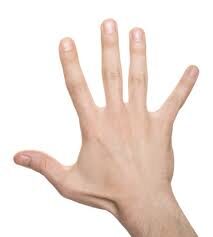
Hand Care Guidelines:
Fingernail Length
Keep fingernails short and clean. Long fingernails may be hard to keep clean and can rip gloves. They can also chip and become physical contaminants. Fingernails should be trimmed and filed. This will allow nails to be cleaned easily. Ragged nails can be hard to keep clean. They may also hold pathogens and break off becoming physical contaminants
False fingernails:
Do not wear false fingernails. They can be hard to keep clean. They can break off into food
Nail polish:
Do not wear nail polish. It can disguise dirt under nails. It may also flake off into food. If staff is wearing nail polish single-use gloves must be worn

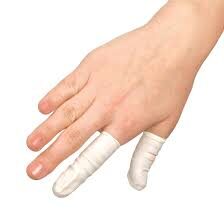
Infected wounds or cuts:
Infected wounds, cuts or boils contain pus. They must be covered to prevent pathogens from contaminating food and food contact surfaces. How a wound is covered depends on where it is located
Bare Hand Contact With Ready To Eat Food
Food can become contaminated when it has been handled with bare hands. This is especially true when hands have not been washed correctly or have infected cuts or wounds. Do not handle ready-to-eat foods with bare hands. This is especially important if you primarily serve a high-risk population

Single Use Gloves:
Single-use gloves can help keep food safe by creating a barrier between hands and food. They should be used when handling ready-to-eat food. Ready to food is any food that will not be cooked further. Gloves do not need to be worn when washing produce. They also do not need to be worn when handling ready to eat ingredients for a dish that will be cooked to the correct internal temperature such as pizza
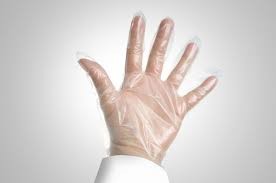
Gloves Can Never Be Used In Place Of Hand Washing. Hands Must Be Washed Before Putting On Gloves And When Changing To A New Pair
Buying Gloves:
Approved gloves: Purchase only gloves approved for food service. This includes gloves bearing the NSF Mark.
Disposable gloves: Buy only single-use gloves for handling food. Do not wash and reuse them.
Different types: Supply different gloves for different tasks. Long gloves, for example, should be used for hand mixing salads. Colored gloves can also be used to help prevent cross-contamination.
Multiple sizes: Provide gloves of varying sizes. Gloves that are too big will not stay on. Those that are too small will tear and rip easily. Latex alternatives: Some food handlers and customers may be sensitive to latex. Consider providing gloves made from other materials.
How To Use Gloves:
If you are not careful when using gloves, the food you handle can become unsafe:
When to Change Gloves:
Gloves can give food handlers a false sense of security, especially if they are not changed as often as they should be.
PLEASE SIGN AND DATE: (may use reverse)
What is Hospice and Palliative Care
Hospice according to the Center for Medicare and Medicaid Services is a support program of care for a dying person whose doctor and a hospice medical director certify has less than 6 months to live. The service is available 24 hours per day and 7 days per week. The focus of care for hospice is on comfort and not on curative care. This means that a patient must be willing to give up curative treatments in order to receive hospice care. For some people giving up treatment is not a desirable option. For them, palliative care may be an option. With Palliative care, you do not have to give up curative treatments to receive care. Palliative care may be an alternate course of treatment at the end of life care but can also be used to anyone at any age who is suffering from discomforts, symptoms, and stress of a serious illness. Palliative care is meant to help people find relief from their chronic conditions and treatments.
Hospice can be provided in a home, assisted living facility, nursing home, hospice care center, or hospital setting.
What is the difference between Hospice and Palliative Care?
| Hospice | Palliative Care | |
|---|---|---|
| Stage | End of Life | Any stage of illness |
| Life expectancy | < 6 months | As long as necessary |
| Care or Treatment | Comfort or relief | Curative treatment OK |
| Focus | To provide comfort, care and support for terminally ill | To provide relief from discomforts, symptoms and stress of a serious illness |
What is End of Life Care?
No one really knows exactly when someone is going to die. Accepting hospice means accepting help, getting the resources you need and being of acceptable of the unpredictable. End of life care is giving support and medical care during the time surrounding death. End of life care is the days, weeks and even months before death not simply before breathing ceases and the heart stops beating.
Why is Hospice so Important in the End of Life Care?
Talking about death is highly emotional. Just talking about death can break hearts. Experiencing death in a patient or family member changes the lives of the living. No one likes to talk about death because it is a very painful subject. Death is unpredictable. No one really knows when a person is going to die. The end of life is just as important as all stages of life. A dying person deserves to be treated with dignity, respect, openness and gentleness. This includes talking about it and embracing death. Care providers needs to be educated to be prepared.
Accepting hospice and/or the diagnosis dying can be very difficult. There are many barriers to accepting hospice. There is often hope that a person will get better. Disagreement on how sick a person may actually be is often a barrier. Failure to recognize a person is actively dying may result in increased suffering. Continuation of standard medical care can actually make things worse. Starting hospice care can manage uncomfortable symptoms in death, pain in particular, and contribute to comfort in the final days and hours of life.
What should I do if the patient does not want to eats?
As someone is dying, they eat less food. Eating less food is part of the process. A decline in eating can bring about high levels of emotional stress for care providers.
Eating at the end of life care plays an important part of end of life nutrition. Things change at the end of life. Nutrition and eating at the end of life also changes. See a patient eating less at the end of life can be stressful and hard to accept. Food is often associated with nourishment and love. Well-meaning care providers may try to push, force foods because they do not want them to “starve to death” or they fell they are not taking proper care of the patient. However, forcing foods/fluids will not enhance or even prolong life. It may even be a burden or even detrimental. The worst part is that this can lead to the “food fight” where precious time is wasted arguing over food. Avoid food fights. The “food fight” includes arguments and fighting over whether a person at the very end of life should eat. Let the patient decide when they want to eat or drink.
Remember this:
For a person who is in the final stages of terminal illness, and is close to death, there is no proof that increasing eating more food will improve their strength, their energy level, their ability to function or even prolong their life.
Forcing a dying person to eat will not extend their life
How Long Can a Person Live without Food or Liquid?
How long a person can live without food or liquids is a tough is complex. There are several variables that can affect how long a person can live without food or liquids but no one really knows the exact answer. People can live for quite a long time eating and drinking very little. However when someone stops eating and drinking all together, we know time left is short.
Caring for a Dying Patient
A person at the end of life does not get hungry or thirsty in the same way a healthy person does. A decreased appetite and loss of thirst are natural processes that allow the body to prepare for death. Normally when a healthy person eats food and the food is used to build and repair tissue. During the dying processing the body shifts and starts to break down components in the body to create energy it needs for the end of life. This is a natural part of the dying process that occurs whether or not food and fluids are provided. Starvation and dehydration is a natural part of the dying process. Starvation at very of life is not caused by lack of food-because a caregiver isn’t feeding them enough. It is a natural part of the dying process. Starvation in the prime of life is different than at the end of life. At the end of life your body actually has processes that enables people to feel less pain. Starvation the dying process does not cause suffering, it can actually alleviate it.
What about artificial hydration?
Providing artificial hydration (an IV of fluids) may seem like a good idea when someone is at the end of life and can no longer drink but research has shown that if just does not improve outcomes at the end of life. In general, it is not a recommended practice. It is ultimately up to the dying patient to determine if this is something they would like to pursue or not.
Ways to Manage End of Life Symptoms
Common nutrition related symptoms at end of life may include:
Poor appetite
Dry mouth
Mouth Pain
Constipation
Diarrhea
Nausea or vomiting
Important Rules to Remember
1. Have foods available
2. Provide their favorite foods
3. Provide mouth care
4. Ask them what they would like to eat
As the dying person:
1. Eat when hungry
2. Enjoy food
Food Guide: Fruits Buy Fruit In Season When Available
Take Advantage Of Sales:
| Best Choices | Apples, apricots, bananas, blueberries, cantaloupe, cherries, grapefruit, grapes, guava, kiwi, mango, nectarines, oranges, papaya, peaches, pears, pineapples, plums, raspberries, strawberries, tangerines, watermelon, dried fruit (dates, figs, raisons) |
| Choices to Avoid | Canned or frozen fruit packed in syrup; juices, punches, ades, and fruit drinks with added sugars, fried plantains |
Vegetables
| Best Choices (a variety of each group each week) | Dark green vegetables: Broccoli and leafy greens such as arugula, beet greens, bok choy, collard greens, kale, mustard greens, romaine lettuce, spinach and turnip greens Orange and deep yellow vegetables: Carrots, carrot juice, pumpkin, sweet potatoes, and winter squash (acorn, butternut)Other vegetables: Artichokes, asparagus, bamboo shoots, beans sprouts, beets, Brussels sprouts, cabbages, cactus, cauliflower, celery, cucumber, egg plant, green beans, ice berg lettuce, mushrooms, okra, onions, peppers, seaweed, snow peas, tomatoes, vegetable juice, zucchini |
| Choices to Avoid | Baked Beans, candied sweet potatoes, coleslaw, French fries, potato salad, refried beans, scalloped potatoes, tempura vegetables |
Grains
| Food Guides: | Make at least half of the grains selections whole grains. |
| Best Choices | Whole grains such as amaranth, barley, brown rice, buckwheat, bulgur, millet, oats, quinoa, rye and wheat; Low fat breads, cereals, crackers and pastas; popcorn Enriched bagels, breads, cereals, pastas (couscous, macaroni, spaghetti) pretzels, rice, rolls, tortillas |
| Choices to AVOID | Biscuits, cakes, cookies, cornbread, crackers, croissants, doughnuts, French toast, fried rice, granola, muffins, pancakes, pastries, pies, pre sweetened cereals, taco shells, waffles |
Meat, Poultry, Fish, Legumes, Eggs and Nuts
| Food Guides: | Make lean or low fat choices. Prepare with little or no added fat. Choose seafood twice a week such as salmon, tuna or herring |
| Best Choices | Poultry without the skin, fish, shellfish, legumes, eggs, lean meat with fat trimmed, lowfat tofu; tempeh, peanut butter, nuts (almonds, filberts, peanuts, pistachio, walnuts) or seeds (flaxseeds, pumpkin seeds, sunflower seeds) |
| Choices to AVOID | Bacon, baked beans, fried meat, fish, poultry, eggs or tofu; refried beans, ground beef, hot dogs, luncheon meats; marbled steaks; poultry with skin; sausages, spare ribs |
Milk, Yogurt and Cheese
| Food Guides: | Make fat free or low fat choices. Choose lactose free products or other calcium rich foods if you don’t consume milk |
| Best Choices | Fat free and fat free milk products such as buttermilk, cheese, cottage cheese, yogurt; fat free fortified soy milk; (look for yogurt and pudding that are less than 100 kcal per serving) |
| Choices to AVOID | Cheese; 1 % low fat milk, 2 % reduced fat milk and whole milk; low fat, reduced fat and whole milk products such as cheese, cottage cheese, and yogurt; milk products with added sugars such as chocolate milk, custard, ice cream, ice milk, milk shakes, pudding, sherbet, fortified soy milk |
Oils: Limited Amounts : 1 serving per meal
| Food Guides: | Select the recommended amounts among these sources. |
| Best Choices | Liquid vegetable oils such as canola, corn, flaxseed, nut, olive, peanut, safflower, sesame, soybean, and sunflower oils; mayonnaise, oil based salad dressing, soft trans free margarine Fat Free Salad Dressings Unsaturated oils that occur naturally in foods such as avocados, fatty fish, nuts, olives, seed (flaxseed, sesame seed) and shellfish |
| Choices to AVOID | Hydrogenated shortenings, trans fatty acids, coconut oil, palm kernel oil, palm oil, popcorn oils, non dairy creamers |
Solid Fats and Added Sugar: Must be avoided to promote weight loss
| Best Choices | None |
| Choices to AVOID | All: Foods with added sugar and or fat such as: Soda, Candy, Cakes, Cookies, Pies, Pastries, Non dairy creamer, Solid fats that occur in foods naturally such as milk fat and meat fat Solid fats that are often added to foods such as butter, cream cheese, hard margarine, lard, sour cream and shortening Added sugars such as brown sugar, candy, honey, jelly, molasses, soft drinks, sugar and syrup |
READ YOUR LABELS
Dairy Products:
Nonfat Milk is served at mealtime
Yogurt: use fat-free sugar-free variety of approximately 100 or fewer calories per servings
Cottage Cheese: use low-fat cottage cheese when on menu
Pudding: use fat free and/or sugar free only-look for 100 kcal per serving
Ice Cream: use lowfat or fat free sugar free only- look for 100 kcal per serving
Cheese: choose lowfat varieties – approximately 80 calories per 1 oz serving.
Sour cream: use lowfat (light on label)
Sour cream: use lowfat (light on label)
Portion size: varies see menu
Breads/Cereal/ Starches
Bread: choose whole grain breads with 4 or more grams fiber per serving
Cereal: choose fat free low sugar dry cereals such as Bran flakes, Corn flakes, Rice Krispee, Fiber one, Wheaties, Cherrios, Raison Bran, Shredded Wheat, or Puffed Rice For cooked cereal choose oatmeal, cream of wheat or even better is whole grain cream of wheat, cream of rice, farina, or other cooked cereal that do not have added sugar or fat.
Tips for Potatoes/ Rice/ Pasta
Avoid fried potatoes, fried rice, pasta with creamy sauces. Follow recipes in cookbook.
Use hot air popcorn (no fat added), Use soft tortillas instead of hard tacos
Portion size: ½ c. or about the size of a computer mouse
Meats or sub:
Choose leans cuts of meat:
Beef- trim all visible fat, choose USDA Good or Choice grades of lean beef, such as round steak, sirloin, and flank steak; tenderloin, Look for low fat cuts such as round or sirloin. Ground meats should be at least 80% lean
Pork- Lean pork, such as fresh ham, canned cured or boiled ham, Canadian bacon, tenderloin, pork loin, roast pork. Trim all visible fat before cooking
Chicken / Turkey / Poultry
Choose chicken, turkey, or Cornish hen without skin
Fish: choose all fresh and frozen fish. Choose tuna packed in water not oil.
Eggs: follow menu and substitute egg beaters for eggs on menu items and in recipes
HIGH FAT MEATS TO Avoid:
Prime cuts of beef, ribs, corned beef, spare ribs, ground pork, pork sausage, any fried fish, high fat lunch meat such as bologna, salami, pimento loaf, sausage, such as polish Italian, Knockwurst, smoked Bratwurst. Bacon Frankfurters unless lowfat.
Portion size: 1 oz. at breakfast, 2 oz. at lunch, 3 oz. at dinner
Vegetables:
Avoid adding margarine or butter to vegetables
Vegetables should be steamed and prepared without extra added fat.
Portion size: ½ c. for cooked or 1 c. for raw
Fruits:
Fruit juice use only 100% fruit juice.
Do not use fruit drinks
Fruit juice is served only at breakfast-watch the portion sizes
You can sub. Fresh Fruit instead of fruit juice with breakfast
Canned fruits should NOT be packed in syrup. Canned fruits should be packed in fruit juice without extra sugar added.
Portion size: about the size of a tennis ball
Soups:
Use broth based soups or low fat cream soups
Fats
Salad Dressing; FAT Free salad dressings should be used.
Mayonnaise: fat free or low fat or light mayonnaise should be used
Margarine and butter should be limited to 1 t. per serving. (about the size of a postage stamp)
Beverages:
Water is calorie free and recommended at each meal – 8 oz.
Coffee or Tea – use sugar free or sugar sub. No creamers. Use nonfat milk
Calorie free beverages should be served:
Water is the best. Sugar free / calorie free beverages are acceptable. (crystal light, kool aid etc.)
Diet Soda: limit to 1 per day
Desserts:
Serve fruit for dessert or
Use sugar free fat free varieties as per menu
Syrup Use sugarfree
Jams/ jellies: Use sugar free
Candy: use sugar free, fat free, calorie free—watch out for candy with sorbitol it may cause gastric distress
Sugar Substitutes should be used in place of sugar; No honey
DO NOT USE FRUIT DRINKS WITH CALORIES-this adds too much sugar and calories.
Use Low Fat Cooking Methods: Saute, Broil, Poach, Steam, Bake, Roast, Grill
Choose High Fiber Foods when Possible:
At Breakfast –Use Fresh Fruit instead of Fruit Juice
Choose High Fiber Cereals: Cream of Wheat is now available in Whole Wheat Form.
Choose Cereals that have 3 or more grams of fiber per serving and are less than 100 kcal per serving
Use egg substitutes for eggs on menu. Use only lean meats.
Lunch and Dinner:
Choose Whole Grain Pastas over regular
Choose Whole Grain Breads- 3 g. fiber or more per slice
Choose Brown Rice instead of White Rice
Leave skin on potatoes, apples, pears, etc. when acceptable
Use Whole Grain Bread Crumbs in recipes rather than regular
Substitute beans and peas (kidney, pinto, black or white, chick pear or garbanzo) for meats 2 X per week
Use brown rice, buckwheat, bulgur, millet, oatmeal, popcorn, rolled oats, quinoa, sorgum, tricale, barley, Whole Wheat bread, Whole Wheat Crackers, Whole Wheat Pasta, Whole Wheat sandwich Buns and rolls, Whole Wheat tortillas, Wild Rice
Instead of refined Grains: cornbread, corn tortilla, couscous, cracker, flour Tortillas, grits, noodles, pretzels, white bread, white sandwich buns and rolls, white rice, spaghetti, macaroni, corn flake.
*** Remember brown color in bread or pasta does not mean high fiber- look for 4 g. fiber per serving or more. Or Whole grain listed as first ingredient